Skip to content
Up to 15% off (1% for each item)
Up to 15% off
eQualle Sandpaper Sheets

Smooth Plaster Walls: 120?180?220 Grit Sanding

Plaster walls can develop uneven spots, trowel marks, or small ridges after application. To create a flawless, paint-ready surface, follow the grit sequence: 120 ? 180 ? 220 grit. This approach evens imperfections, feathers patches, and ensures a smooth base for primer and paint.

Why Sand Plaster Walls

Plaster dries hard but is still workable with sandpaper. Skipping sanding leaves ridges that stand out under light. Too coarse grits gouge plaster; too fine clogs quickly. The 120–220 grit ladder strikes balance between efficiency and finish quality.

Tools & Materials

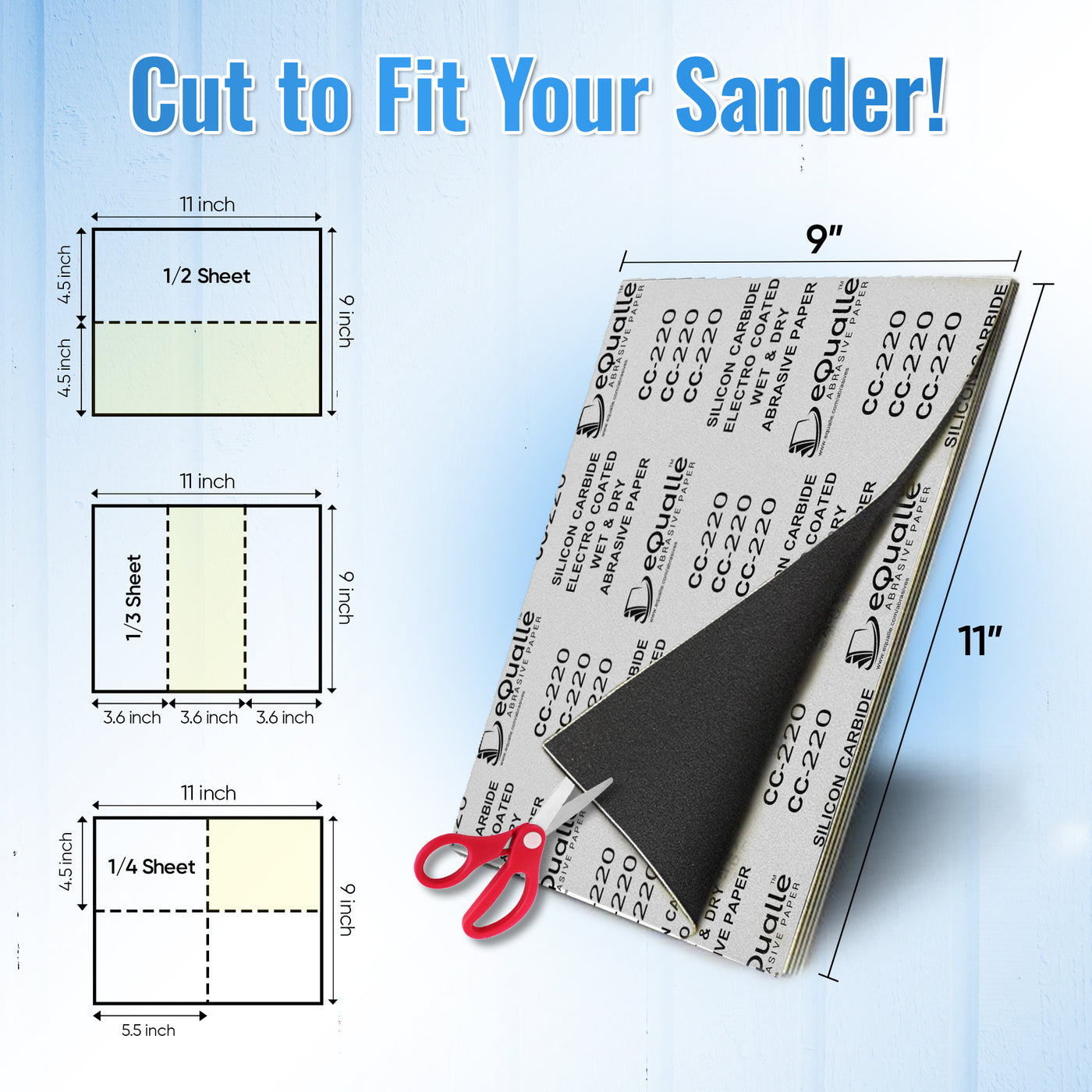
  • 9×11 in sandpaper sheets: 120, 180, 220 grit
  • Pole sander or sanding block
  • Vacuum with HEPA filter
  • Tack cloths or microfiber rags
  • Primer and paint
  • PPE: respirator, goggles, gloves

Recommended Grit Sequence

  • 120 grit — Levels ridges and trowel lines.
  • 180 grit — Refines surface and feathers edges.
  • 220 grit — Final smoothing for paint-ready walls.

Step-by-Step: Plaster Sanding

  1. Inspect walls. Use angled light to highlight imperfections.
  2. Sand with 120 grit. Start with 120 grit (25-pack) to knock down ridges.
  3. Step to 180 grit. Switch to 180 grit (50-pack). Smooth patches and transitions.
  4. Final sanding at 220 grit. With 220 grit (100-pack), achieve fine finish for primer.
  5. Vacuum & wipe down. Remove dust thoroughly—primer highlights any leftover imperfections.
  6. Prime & paint. Apply quality primer, then paint for flawless results.

Special Cases

Old plaster repairs: Start coarser (100 grit) for patched sections.
Venetian plaster: Sand lightly—over-sanding ruins polished effect.
Heavy ridges: Scrape first, then sand to avoid wasting paper.

Pro Tips

  • Always use light pressure—plaster scratches easily.
  • Sand in circular motions for even finish.
  • Replace paper often—plaster clogs quickly.
  • Work in daylight or with bright work lights to spot defects.
  • Don’t skip primer—paint alone doesn’t seal plaster well.

Aftercare

  • Check for cracks annually and patch early.
  • Touch up with 220 grit before repainting.
  • Keep walls clean with gentle dusting and mild cleaners.

FAQs

  • Can I start at 220 grit? No—too fine to remove ridges efficiently.
  • Is wet sanding an option? Yes—controls dust but dries slower.
  • Why stop at 220? Beyond that, surface becomes too slick for primer adhesion.
  • Will sanding weaken plaster? Only if aggressive—gentle sanding removes surface imperfections only.

Video: Plaster Wall Sanding

Closing: With 120 ? 180 ? 220 grit, plaster walls transform from rough to smooth, ready for paint that looks crisp and professional.

Previous article Sand Powder-Coated Steel Railing for Repaint (No Edge Burn-Through)

Comments

Stucco Repair Tucson - February 27, 2026

Great post! This guide on achieving smooth plaster walls provides clear, practical tips for a flawless, professional finish. Perfect for anyone looking to enhance their interior surfaces.

Leave a comment

Comments must be approved before appearing

* Required fields